

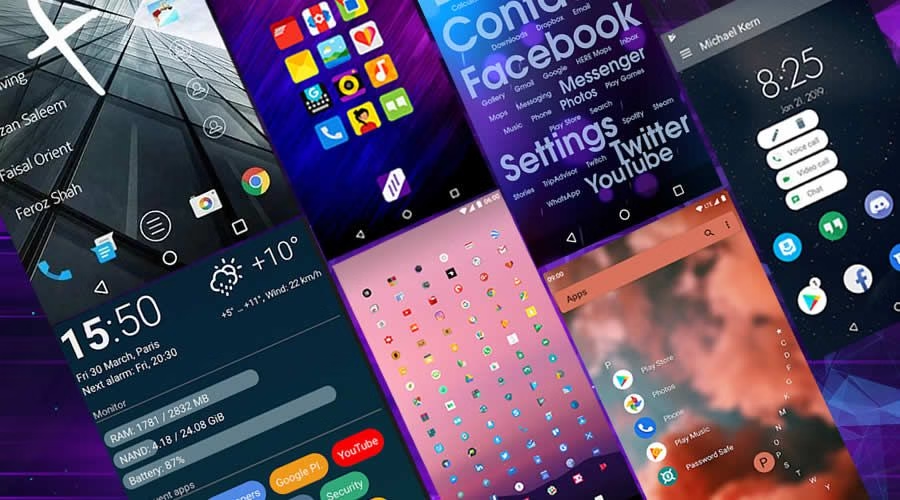
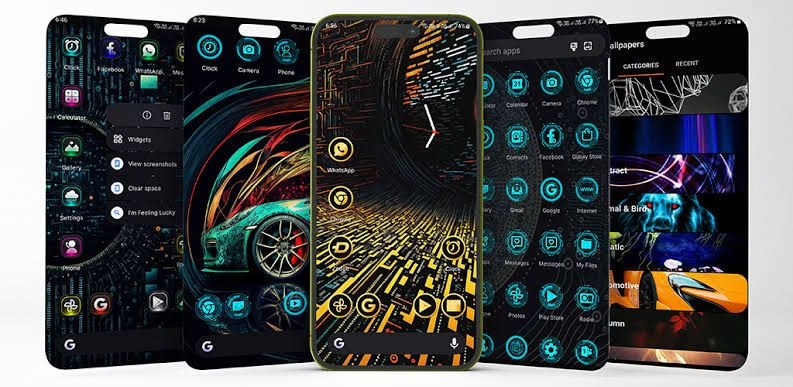
If you’ve been using Android for any length of time, you’ve probably gone through this cycle. You see a YouTube video or TikTok showing someone’s beautifully customized home screen. It looks amazing and then you get excited and download Nova Launcher, or Microsoft Launcher, or whatever is trending that week.
You spend hours setting everything up. Custom icons, perfect widget placement, special gestures, the works. Your phone looks exactly how you want it, now you feel proud.
But a week later, maybe two if you’re really committed, you quietly switch back to your phone’s default launcher. You tell yourself you’ll try another custom launcher soon. But deep down, you know the truth. The default launcher just works better.
I’ve been through this cycle at least fifteen times. Every single time, I end up back where I started. And I finally figured out why. It’s not that I lack commitment or that I’m not tech savvy enough to appreciate custom launchers. It’s that default launchers are actually better for most real world use.
Let me explain.
Don't MIss This Article
They’re Optimized For Your Specific Phone
Samsung phones come with One UI launcher. Xiaomi has MIUI. Tecno and Infinix have their own launchers. These aren’t random choices. The phone manufacturer designed that launcher specifically for that hardware.
When you use One UI on a Samsung phone, everything works smoothly because Samsung tested it on that exact phone model. The animations are tuned for that processor. The features integrate with Samsung’s other apps. The battery usage is optimized.
Install Nova Launcher and you’re using something designed to work on thousands of different Android devices. It can’t be perfectly optimized for your specific phone because it has to work everywhere. It’s like buying a suit off the rack versus getting one tailored specifically for you.
Don't MIss This Article
I noticed this most clearly with gestures. On my default launcher, swipe gestures are smooth and responsive. With custom launchers, there’s sometimes a tiny delay or the gesture doesn’t register properly. That small difference adds up over hundreds of interactions daily.
Your phone manufacturer spent money and time creating that default launcher. They want their phones to feel good to use. Custom launcher developers are making something generic that needs to please everyone. There’s a real difference.
Everything Just Works Without Tweaking
This is the big one for me, Default launchers work perfectly from the moment you start your phone. No setup required. No choosing between seventeen different animation styles. No configuring gestures. No hunting for icon packs that match.
You just use your phone.
Custom launchers require decisions. Lots of them. Grid size, icon size, animation speed, gesture controls, folder styles, widget behaviors. Every setting is an opportunity to spend time tweaking instead of actually using your phone.
I’ve lost hours to launcher customization. Hours I could have spent doing literally anything else. And for what? A home screen that looks slightly different but doesn’t actually improve how I use my phone?
Don't MIss This Article
The appeal of custom launchers is the control they offer. But most of us don’t need that much control. We need a phone that works well without constant adjustment. Default launchers understand this.
Battery Life Is Better
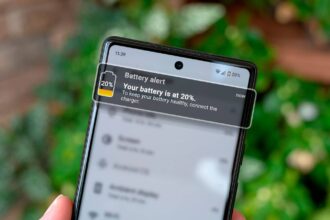
This surprised me when I first noticed it, but it’s consistent. Custom launchers drain more battery than default ones.
The reason makes sense once you think about it. Your default launcher is built into the system. It’s optimized to run efficiently with minimal battery impact. Custom launchers run on top of the system as third party apps. They consume additional resources.
The difference isn’t huge. Maybe 5 to 10 percent over a full day. But when you’re already struggling to make it through the day without charging, that extra percentage matters.
I tested this properly with AccuBattery. Days when I used Nova Launcher, my battery drain was measurably higher than days with the default launcher doing the exact same activities. The custom launcher was working harder to provide the same functionality.
For people in Nigeria where we deal with inconsistent power supply, battery life is serious business. Sacrificing even a small amount of battery for visual customization isn’t worth it when you might not find a charging spot when you need one.
Updates Don’t Break Everything
Here’s something that drives people crazy about custom launchers. Your phone gets a system update and suddenly your launcher behaves strangely. Gestures stop working. Widgets glitch. The app drawer acts weird.
You have to wait for the launcher developer to release an update fixing compatibility. Sometimes that takes days or weeks. Meanwhile, you’re stuck with a partially broken home screen experience.
Default launchers don’t have this problem. When Samsung or Xiaomi or whoever releases a system update, they make sure their launcher works properly with it. Because it’s all the same company, testing and compatibility are handled together.
I got burned by this with Microsoft Launcher. After an Android update, the gesture navigation became unreliable. Microsoft took two weeks to fix it. Two weeks of frustrating phone use because I wanted a prettier home screen. Never again.
Your default launcher evolves with your phone’s software. They’re designed together, tested together, and updated together. That integration is valuable.
Performance Is Consistently Smooth
Custom launchers can feel smooth when you first install them. But over time, especially as you add more apps and widgets, performance starts degrading.
Apps take longer to open. Swiping between screens stutters slightly. The app drawer lags when scrolling. Nothing major, but enough to be annoying.
Default launchers maintain performance better over time. They’re engineered to handle how people actually use phones, with dozens of apps, multiple widgets, and constant daily activity.
I used Nova Launcher for three months once, longest I ever lasted. By month three, I noticed lag that wasn’t there initially. I cleared cache, reduced widgets, optimized settings. Nothing helped completely. Switched back to default and the smoothness returned immediately.
Your phone manufacturer has a reputation to protect. If their launcher performs poorly, people blame the phone, not the launcher. So they put real effort into making sure it stays fast. Third party launcher developers don’t have the same pressure.
Features You Actually Use Already Exist
Custom launchers advertise hundreds of features. Custom gestures, special widgets, unique folder options, advanced customization. It sounds impressive.
But how many of those features do you actually use daily? Be honest.
Most of us use our phones the same way. We open apps from the home screen or app drawer. We use some widgets. We organize apps into folders. That’s it. Default launchers do all of this perfectly well.
All those extra features in custom launchers are things you think you want until you have them. Then you realize you never use them. They just add complexity without adding real value to your daily phone experience.
I downloaded Action Launcher because of the unique covers feature. Used it twice. The shutter feature for quick app access? Never used it after the first week. The custom icon packs? Spent hours choosing them, stopped noticing them after three days.
Default launchers focus on the core functionality that actually matters. No bloat. No features you don’t need. Just a solid foundation for using your phone.
Integration With Phone Features Works Better
This is subtle but important. Things like notification badges, app suggestions, quick settings, and system gestures work more reliably with default launchers.
On One UI launcher, notification badges appear instantly and accurately. With custom launchers, sometimes they don’t show up or update properly. You miss notifications because the third party launcher doesn’t integrate perfectly with Samsung’s notification system.
App suggestions based on your usage patterns work better with default launchers because they have deeper system access. Custom launchers try to replicate this but never quite match the accuracy.
Xiaomi’s Second Space feature, Samsung’s Secure Folder, split screen functionality. All these phone-specific features work seamlessly with default launchers because they’re designed together. Custom launchers either don’t support them or support them poorly.
You buy a phone for its complete experience. Using a custom launcher means giving up parts of that experience for visual customization that stops mattering after a few days.
The Setup Time Isn’t Worth It
Let’s talk honestly about time investment. Setting up a custom launcher properly takes hours. Choosing wallpapers, arranging icons, selecting widgets, configuring gestures, downloading icon packs, adjusting grid sizes.
Then your phone resets for some reason or you upgrade to a new device. You have to do it all again. That’s more hours gone.
Default launchers require zero setup time. You start using your phone immediately. Everything is already sensibly arranged. If you want to move some apps around or add a widget, it takes minutes, not hours.
Time is valuable. Is your home screen looking slightly different really worth multiple hours of setup and configuration? For most people, the answer is no.
I think about all the hours I’ve spent customizing launchers over the years. If I had spent that time learning something useful or just enjoying life, I’d be better off. Instead, I was moving icons around trying to achieve some perfect aesthetic that stopped mattering almost immediately.
Why We Keep Trying Custom Launchers Anyway
If default launchers are better, why do we keep trying alternatives? Because they look amazing in screenshots and videos. Someone shows you their setup with perfect icon packs, beautiful widgets, and clever organization. You want that.
But here’s what those videos don’t show. The hours of setup. The moments when something doesn’t work right. The battery drain. The performance issues over time. The eventual return to default because it’s just easier.
We’re attracted to customization because it feels like making our phones truly ours. But customization for its own sake isn’t valuable. What matters is whether your phone works well for your daily needs.
When Custom Launchers Actually Make Sense
I’m not saying custom launchers are worthless for everyone. There are legitimate reasons to use them.
If your phone’s default launcher is genuinely bad, like some budget phones with poorly designed interfaces, a custom launcher improves the experience. But most phones nowadays have decent default launchers.
If you have very specific workflow needs that require features only custom launchers provide, then fine. But be honest about whether you actually need those features or just think they’re cool.
If you genuinely enjoy tweaking and customizing as a hobby, custom launchers are fun. But recognize it as a hobby, not something that makes your phone objectively better for daily use.
For most people, most of the time, the default launcher is the better choice. It’s reliable, optimized, integrated, and requires no effort.
What I Do Now
I still occasionally see a beautiful custom home screen setup and feel tempted. But I remind myself of the cycle. Install, customize, enjoy briefly, encounter issues, switch back to default.
Now I put that energy into organizing my apps better within the default launcher. Creating smart folders. Choosing a good wallpaper. Using widgets that actually help me. Simple improvements that enhance usability without sacrificing reliability.
My phone looks fine. Not Instagram worthy, but clean and functional. More importantly, it works perfectly every single day. No lag, no battery issues, no compatibility problems. Just a phone that does what I need without demanding attention or maintenance.
That’s what most of us actually need. Not the most customized phone, but the most reliable one.
In My Humble Opinion
Your Android’s default launcher is probably better than you think. It’s optimized for your device, requires no setup, maintains performance, integrates properly with system features, and just works consistently.
Custom launchers offer visual appeal and extensive customization. But for most daily phone use, that customization doesn’t translate into real benefits. You’re trading reliability and simplicity for aesthetics that stop mattering after the novelty wears off.
I’ve been through the cycle enough times to know where it ends. Back at the default launcher, realizing it was fine all along. Maybe you’ll keep trying custom launchers and that’s okay. But don’t be surprised when you end up right back where you started.
Sometimes the default option is default for good reasons.