

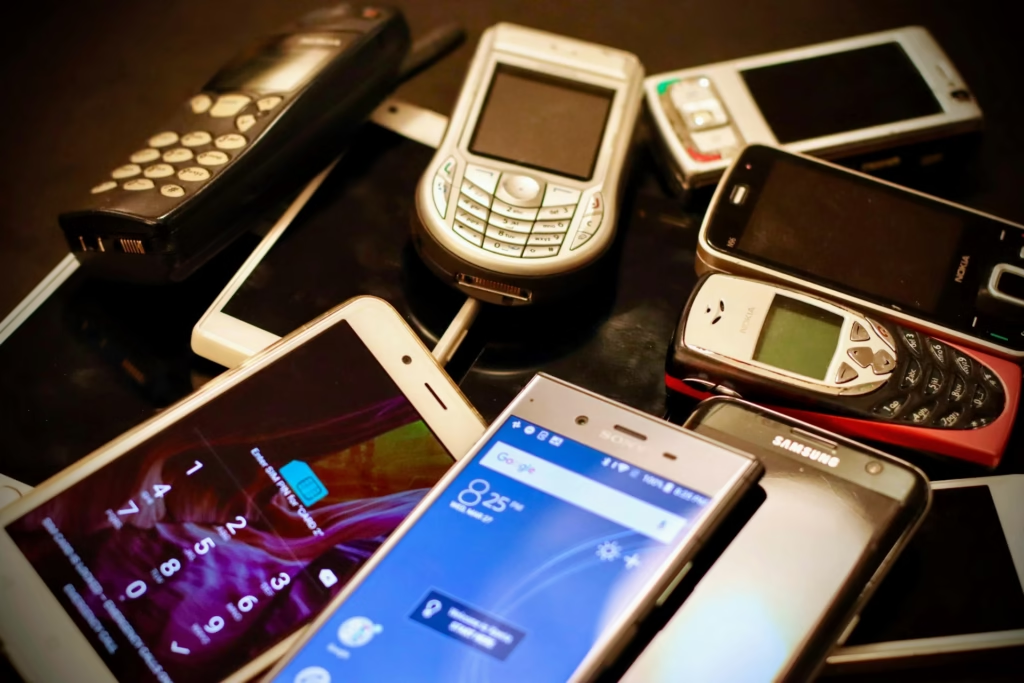
If you’re old enough to remember Nokia E63, E71, or those tiny Java phones we used to load with games from Xplore, you probably have fond memories. Most people dismiss this nostalgia as just missing simpler times. But what if I told you those old phones actually did some things better than our modern smartphones?
I know it sounds crazy. How can a phone from 2008 be better than an iPhone or Samsung Galaxy? But hear me out. After years of using smartphones, I’ve realized we lost something valuable when we moved on from Java and Symbian devices.
Our current phones are more powerful, no doubt. But power isn’t everything. Sometimes, simpler really is better.
Battery Life That Actually Made Sense
Remember charging your Nokia once every three days? Or even once a week if you weren’t a heavy user? That wasn’t a dream. That was real life with Java and Symbian phones.
My Nokia E63 would last me from Monday to Thursday on a single charge. I used it for calls, texts, some browsing, and playing Snake Xenzia during breaks. The battery just kept going. I never had that anxiety of looking at my battery percentage at 2pm and panicking.
Don't MIss This Article

Now with smartphones, we’re lucky if we make it through a full day. By evening, everyone is hunting for chargers. We carry power banks everywhere. Our bags have charging cables like they’re essential survival tools.
Yes, smartphones do more. But do we really need a phone that can edit 4K videos if it dies before dinner? Those old phones understood something important. A phone’s first job is to be available when you need it. Everything else is secondary.
The funny thing is, modern phones have bigger batteries than those old devices. But they drain faster because of large bright screens, constant internet connectivity, and apps running in the background. We gained features but lost reliability.
Don't MIss This Article

Phones That Survived Nigerian Conditions
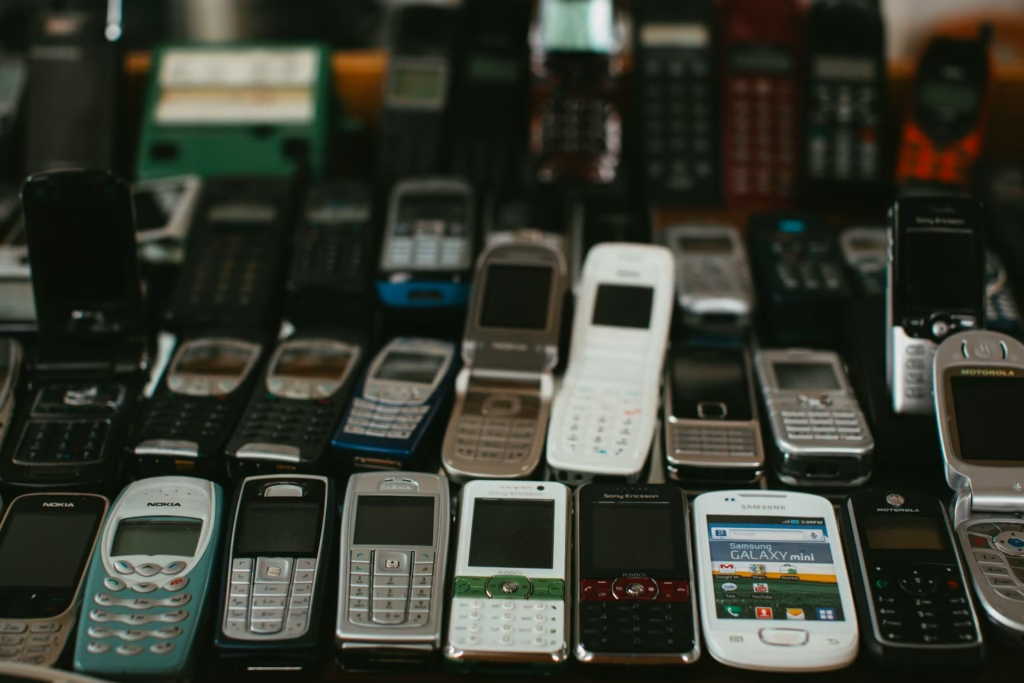
Drop a Nokia E71 on concrete and pick it up. Maybe the battery cover comes off. You snap it back on and continue your day. Drop an iPhone and you’re looking at a cracked screen and an expensive repair bill.
Those Symbian and Java phones were built like small tanks. They survived falls, rain, heat, and the general chaos of Nigerian daily life. You didn’t need to baby them or wrap them in protective cases.
I remember my Nokia falling out of an okada at full speed. I picked it up, dusted it off, and it worked perfectly. Try that with any modern smartphone. The screen would shatter into a million pieces.
The keypads were solid. You could feel the click when you pressed buttons. They didn’t wear out easily. I used my E63 for three years and every button still worked perfectly when I finally upgraded.
Modern smartphones are fragile. We spend extra money on cases, screen guards, and insurance because we know they can’t handle rough treatment. We’re constantly worried about dropping them or getting them wet.
Those old phones just worked. Rain? No problem. Dust? Whatever. Drop? Just pick it up and move on. They were designed for real world use, not showcase displays.
Don't MIss This Article
Simplicity That Let You Focus
Another thing we don’t talk about enough is that those old phones didn’t demand constant attention. You used them when you needed them, then put them away and lived your life.
No notifications every five minutes. No apps sending you alerts to pull you back in. No endless scrolling through social media feeds. You made calls, sent texts, maybe browsed a few websites, and that was it.
I was more present in conversations. When hanging out with friends, my phone stayed in my pocket. There was nothing compelling enough on that small screen to distract me from real human interaction.
Now? We’re all guilty of it. Someone is talking and we’re half listening while checking Instagram or Twitter. We’re at family gatherings with our faces in our phones. We’ve become addicted to these devices in ways that aren’t healthy.
Symbian phones had email and some internet capability, but it was limited enough that you didn’t lose hours to mindless browsing. The internet was something you accessed with purpose, not a bottomless pit of distraction.
Sometimes limitations are actually good. They force you to be intentional about how you spend your time and attention.
Games That Were Actually Fun
This might sound silly, but Java games were genuinely entertaining. Snake Xenzia, Bounce Tales, Diamond Rush, Midnight Pool, Brothers in Arms. These games were simple but incredibly addictive.
You could play them anywhere without internet. No updates required. No in-app purchases. No ads every thirty seconds. You just opened the game and played.
I spent countless hours on those games during secondary school lectures, on long bus rides, and during boring family events. They were perfect time killers that didn’t require serious commitment.
Modern mobile games are either too simple and filled with ads, or too complex and require constant internet connection. Everything wants your money through in-app purchases. The joy of just playing something fun without all these extra complications is gone.
Plus, Java games were tiny. You could store dozens of them on your phone. Now, a single mobile game can take up several gigabytes. We have more storage but somehow less game variety that actually matters.
Real Physical Keyboards That Made Typing Easy
If you ever used a Nokia E63, E71, or any Symbian phone with a QWERTY keyboard, you know what I’m talking about. Typing on those keyboards was fast and accurate.
You could type entire emails without looking at the screen. The physical feedback from pressing actual buttons meant you knew exactly what you were typing. And you could do it with one hand while holding the phone with the other.
Touchscreen keyboards look sleek, but they’re frustrating. Autocorrect changes words you didn’t mean to change. Your fingers hit the wrong letters because there’s no physical separation between keys. Typing long messages is tedious.
I used to write full blog posts on my E63 keyboard. It was comfortable enough for extended typing sessions. Try writing a thousand words on your smartphone touchscreen. Your fingers will hurt and you’ll make countless typos.
Sure, touchscreens enable larger displays and more screen real estate. But we lost something valuable. The ability to type quickly and accurately without constant corrections.
Some people say you get used to touchscreen keyboards. That’s true. But “getting used to” something worse doesn’t make it better. It just means you’ve accepted the downgrade.
What We Actually Gave Up
Modern smartphones are incredible devices. I’m not denying that. But we need to be honest about what we sacrificed in the upgrade.
We traded reliability for features. Those old phones worked consistently. Smartphones are powerful but temperamental. They slow down, crash, need constant updates, and have issues those simple devices never had.
We traded durability for aesthetics. Old phones could take a beating. Modern phones are beautiful but fragile. We’ve become slaves to protective cases and careful handling.
We traded simplicity for complexity. Everything on old phones was straightforward. Smartphones require management, troubleshooting, and constant decisions about settings, permissions, and updates.
We traded ownership for subscriptions. You bought a Java phone and it was yours. Everything on it belonged to you. Now we’re renting apps, cloud storage, and services. Nothing really belongs to us anymore.
We traded privacy for connectivity. Those old phones didn’t track your every move, listen to your conversations, or collect data about your habits. The privacy was automatic because the technology was limited.
The Real Lesson Here
I’m not saying we should all go back to using Symbian phones. That’s not realistic and honestly, I wouldn’t want to give up many smartphone conveniences.
But we should think about what we lost and whether we can reclaim some of it. Maybe we don’t need to check our phones every five minutes. Maybe we can turn off most notifications. Maybe we can be more intentional about phone use instead of mindless.
Those old phones taught us something valuable. Technology should serve us, not control us. Tools should make our lives better without demanding constant attention and maintenance.
The best parts of Java and Symbian phones weren’t about the technology. They were about the relationship we had with our devices. They were tools we used when needed, not addictive distractions we couldn’t put down.
My Nokia E63 Sits in My Drawer
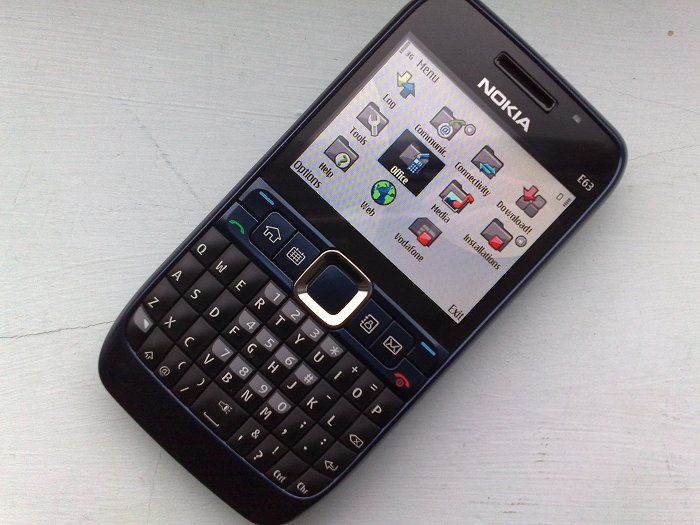
I still have my old Nokia E63. Every few months I take it out, put in my SIM card, and use it for a day. It still works. The battery still lasts forever. The keyboard still feels satisfying to type on.
Using it reminds me of a time when phones were simpler. When I was more present. When battery anxiety didn’t exist. When dropping my phone wasn’t a crisis.
Then I switch back to my smartphone because I need the maps, the better camera, the work apps, and all the modern conveniences. But I keep that E63 as a reminder.
A reminder that newer isn’t always better. That we should question whether every upgrade actually improves our lives. That sometimes, the old way of doing things had wisdom we’ve forgotten.
The Truth About Progress
Technology companies want us to believe every new phone is better than the last. That we need to upgrade constantly to keep up. That old devices are obsolete and worthless.
But progress isn’t just about adding features. Real progress means improving quality of life. And by that measure, those old Java and Symbian phones did some things better than our current smartphones.
They lasted longer on a single charge. They survived rough handling. They didn’t distract us constantly. They had physical keyboards that worked better for typing. They played fun games without complications.
Are modern smartphones more capable? Absolutely. But capability without consideration for how it affects our daily lives isn’t really progress. It’s just change.
Maybe the real question isn’t whether old phones were better. Maybe it’s whether we’ve thought carefully about what we’re willing to sacrifice for all this new technology.
Because from where I’m standing, those old Nokia phones understood something about human needs that we seem to have forgotten in our rush toward bigger screens and more features.
Sometimes, simple just works better.