

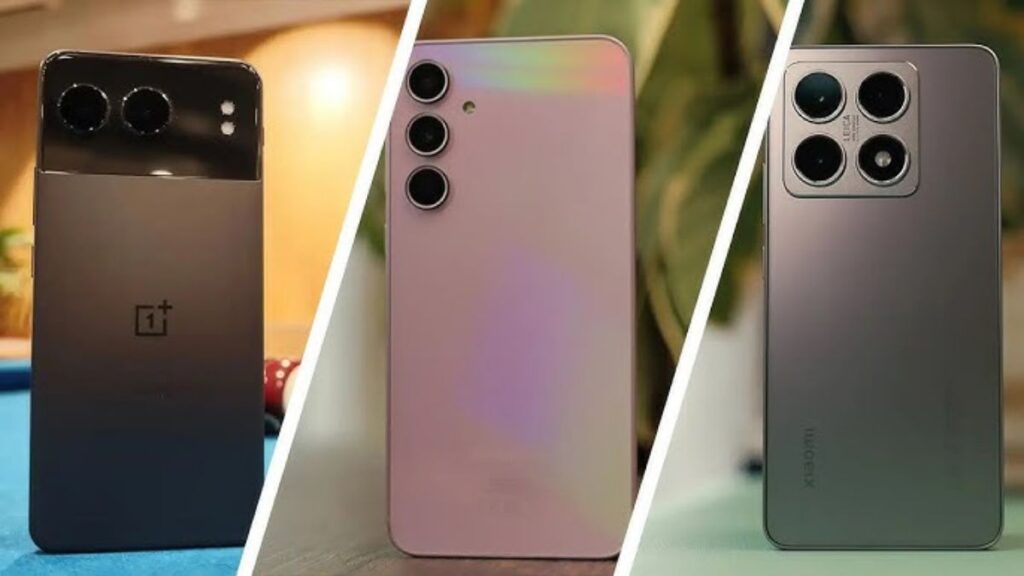
Something strange is happening in the Android market. Budget phones that cost ₦150,000 to ₦250,000 are starting to outperform midrange phones priced at ₦350,000 to ₦500,000 in key areas. Not across the board, but in enough ways that the traditional phone hierarchy is breaking down.
Five years ago, the difference between budget and midrange was massive. Budget phones were slow, had terrible cameras, plastic builds, and outdated software. You got what you paid for.
But Today, Budget phones have flagship-level processors, 120Hz displays, 50MP cameras, and build quality that looks premium. Meanwhile, midrange phones are stuck in an awkward position, offering marginal improvements at significantly higher prices.
Let’s talk about why this is happening and what it means for anyone buying an Android phone in 2026.
The Processor Situation Changed Everything
The biggest shift is processors. Budget phones used to get terrible chips that struggled with basic tasks. Now they’re getting processors that were flagship-level just two years ago, or new budget chips that perform shockingly well.
Don't MIss This Article

MediaTek’s Dimensity 7000 and 8000 series chips cost phone manufacturers much less than Qualcomm’s Snapdragon equivalents but deliver similar real-world performance. Phones like the Infinix Note 40 Pro and Tecno Camon 30 Premier pack these chips and handle daily tasks, multitasking, and even gaming smoothly.
The Snapdragon 6 Gen 1 and 7 Gen series also brought flagship-level architecture down to budget and lower midrange prices. These aren’t watered-down chips. They’re built on modern manufacturing processes, support 5G, and handle everything except the most demanding games without breaking a sweat.
Meanwhile, midrange phones often use slightly better processors that cost manufacturers more but don’t deliver noticeably better performance for typical users. The Snapdragon 7+ Gen 2 is technically superior to the Snapdragon 6 Gen 1, but in daily use, browsing social media, watching videos, taking photos, most people wouldn’t notice the difference.
Don't MIss This Article

Display Technology Trickled Down Fast
Remember when 90Hz or 120Hz displays were premium features? Now budget phones have them as standard.
Budget phones in 2026 routinely feature 120Hz AMOLED displays with FHD+ resolution. The Infinix Hot 50 series, Tecno Spark 30, and similar budget devices offer smooth scrolling and vibrant colors that were exclusive to flagships just three years ago.
Midrange phones do offer better peak brightness, more accurate color calibration, and sometimes higher resolution. But for most users, the difference between a good budget AMOLED and a great midrange AMOLED isn’t worth ₦200,000 extra.
The display quality gap that used to justify midrange pricing has largely disappeared for everyday use. Unless you’re a professional photographer who needs perfect color accuracy or you constantly use your phone outdoors in bright sunlight, budget displays are good enough.
Camera Hardware Got Democratized
This is where things get really interesting. Budget phones now feature 50MP, 64MP, or even 108MP main cameras. Yes, megapixels aren’t everything. But the sensors themselves have improved dramatically at the budget level.
The bigger story is computational photography. Google’s algorithms, Samsung’s processing, and AI-powered features that used to be exclusive to flagships are now available across price ranges. Budget phones use AI to enhance photos, improve low-light performance, and create portrait mode effects that look surprisingly good.
Don't MIss This Article
Midrange phones still have better cameras overall. Optical image stabilization, better ultrawide sensors, telephoto lenses, superior video recording, these remain midrange advantages. But here’s the catch: most people don’t use these features regularly.
For the 80% use case of taking photos in decent lighting and sharing on social media, budget phone cameras have crossed the “good enough” threshold. The improvement midrange cameras offer isn’t noticeable unless you’re specifically looking for it or shooting in challenging conditions.
Software Support Leveled the Playing Field
Budget phones used to get one Android update if you were lucky, then get abandoned. That killed their value proposition because they became outdated within a year.
Now brands are offering 2 to 3 years of Android updates and 3 to 4 years of security patches even on budget devices. Samsung’s budget A-series gets the same update commitment as their flagships. Infinix and Tecno have improved their update policies significantly.
Midrange phones typically get one extra year of updates. That’s still better, but the gap narrowed from “budget phones become obsolete immediately” to “budget phones last almost as long.”
For someone who upgrades every 2 to 3 years anyway, this difference doesn’t matter much. The budget phone will receive updates for its entire useful life.
The Midrange Value Proposition Collapsed
Here’s the core problem for midrange phones. They’re stuck between budget phones that are good enough and flagships that are aspirational.
A budget phone costs ₦200,000 and handles everything most people do smoothly. A flagship costs ₦800,000+ and offers premium materials, the absolute best cameras, cutting-edge features, and status symbol value. What does a ₦450,000 midrange phone offer?
Slightly better performance most people won’t notice. Moderately better cameras that only matter in specific situations. Marginally better build quality that isn’t dramatic. Features that are nice but not essential.
The value equation doesn’t work anymore. Saving ₦250,000 to drop from midrange to budget gets you a phone that’s 85% as good. Spending ₦350,000 more to jump from midrange to flagship gets you something noticeably better in ways that feel premium.
The middle got squeezed. Midrange phones aren’t cheap enough to be practical or premium enough to be aspirational.
Specific Examples That Prove the Point
Look at the Tecno Camon 30 Premier priced around ₦230,000. It features a Dimensity 8200 processor, 120Hz AMOLED display, 50MP main camera with OIS, 5000mAh battery with 70W charging, and decent build quality. It handles daily tasks, gaming, photography, everything smoothly.
Compare that to a midrange phone like the Samsung Galaxy A55 at around ₦450,000. Yes, you get better software support, slightly superior cameras, and Samsung’s brand reputation. But is that worth double the price for most users? Increasingly, the answer is no.
Or look at the Infinix Note 40 Pro at around ₦180,000 versus the Motorola Edge 50 Fusion at ₦380,000. The Infinix offers similar screen quality, comparable performance in daily tasks, adequate cameras, and costs half as much. The Motorola is better, but not twice as good.
Where Midrange Still Wins
To be fair, midrange phones still have real advantages in certain areas.
Camera quality in challenging conditions matters if you frequently shoot at night, in low light, or want professional-quality results. Midrange phones typically have better image processing, optical stabilization on multiple cameras, and superior video capabilities.
Build quality and durability are generally better. Midrange phones often feature better water resistance ratings, stronger glass, more premium materials, and construction that lasts longer under daily wear and tear.
Software experience can be cleaner. Midrange phones from Samsung or Motorola often have less bloatware, smoother interfaces, and better optimization than budget phones from brands that load up devices with pre-installed apps.
Brand reliability and customer support tend to be stronger with established midrange players. Service centers are more available, replacement parts are easier to find, and warranty support is typically better.
These advantages are real. The question is whether they’re worth the significant price premium for your specific use case.
What This Means for Buyers
If you’re shopping for an Android phone in 2026, the traditional “budget = compromise, midrange = balanced, flagship = best” hierarchy doesn’t apply anymore.
Here’s the new reality:
Budget phones are good enough for most people. If you use your phone for social media, messaging, calls, photos, videos, streaming, and casual gaming, modern budget phones handle all of that smoothly. You’re not compromising on daily experience anymore.
Midrange makes sense only if you specifically need their advantages. Professional photography, demanding gaming, specific software features, maximum durability, these justify midrange pricing. But general use doesn’t.
Flagships are for enthusiasts, professionals, or status-conscious buyers. The best cameras, fastest performance, premium materials, cutting-edge features, these cost serious money. But you’re paying for the top 15% improvement over midrange, which itself is only marginally better than budget.
The Future Looks Even More Interesting
This trend isn’t stopping. Budget phones will continue improving as technology trickles down and manufacturers compete aggressively at lower price points.
Features like under-display fingerprint sensors, wireless charging, IP68 water resistance, and flagship-level processors are already appearing in budget phones. Give it another year, and the line between budget and midrange will blur even further.
Midrange phones need to figure out their identity. They can’t compete with budget phones on price. They can’t compete with flagships on premium features. They need to find a compelling reason to exist beyond being “slightly better than budget.”
Some midrange phones are succeeding by focusing on specific strengths. Exceptional battery life. Best-in-class cameras. Unique features. Clean software. These focused approaches work better than trying to be “good at everything” for more money than budget alternatives.
Making the Smart Choice
Don’t buy based on price category. Buy based on what you actually need.
If you want good performance, decent cameras, and solid build quality without spending much, modern budget Android phones deliver incredible value. You’re getting 85% of what expensive phones offer at 30% of the price.
If you need specific features like professional cameras, maximum gaming performance, premium materials, or you value brand prestige, go flagship. The price jump is huge, but you’re getting genuinely premium products.
Midrange only makes sense if you’ve identified specific advantages you actually need that budget phones lack but flagships over-deliver on. Maybe you want great cameras but don’t need absolute best. Maybe you want solid build quality without flagship prices. These niche use cases justify midrange.
The phone market changed. Budget phones got shockingly good. Flagships remained aspirational. Midrange got stuck in the middle offering incremental improvements at significant premiums. Understanding this helps you spend money wisely rather than assuming more expensive automatically means better value.
For most Nigerian buyers, the smartest move in 2026 is either going budget and saving money or going flagship and getting something truly premium. The middle ground rarely makes financial sense anymore unless you know exactly why you need it.