

I wanted to understand something many Nigerians complain about but rarely test deliberately. What really happens when you rely only on mobile data for everything, no Wi-Fi at home, no office internet, no café hotspot, just your phone data for a full week. So I did exactly that for seven days.
By the end of the experiment, I understood why data anxiety is a real thing in Nigeria.
Day One Felt Normal Until It Didn’t

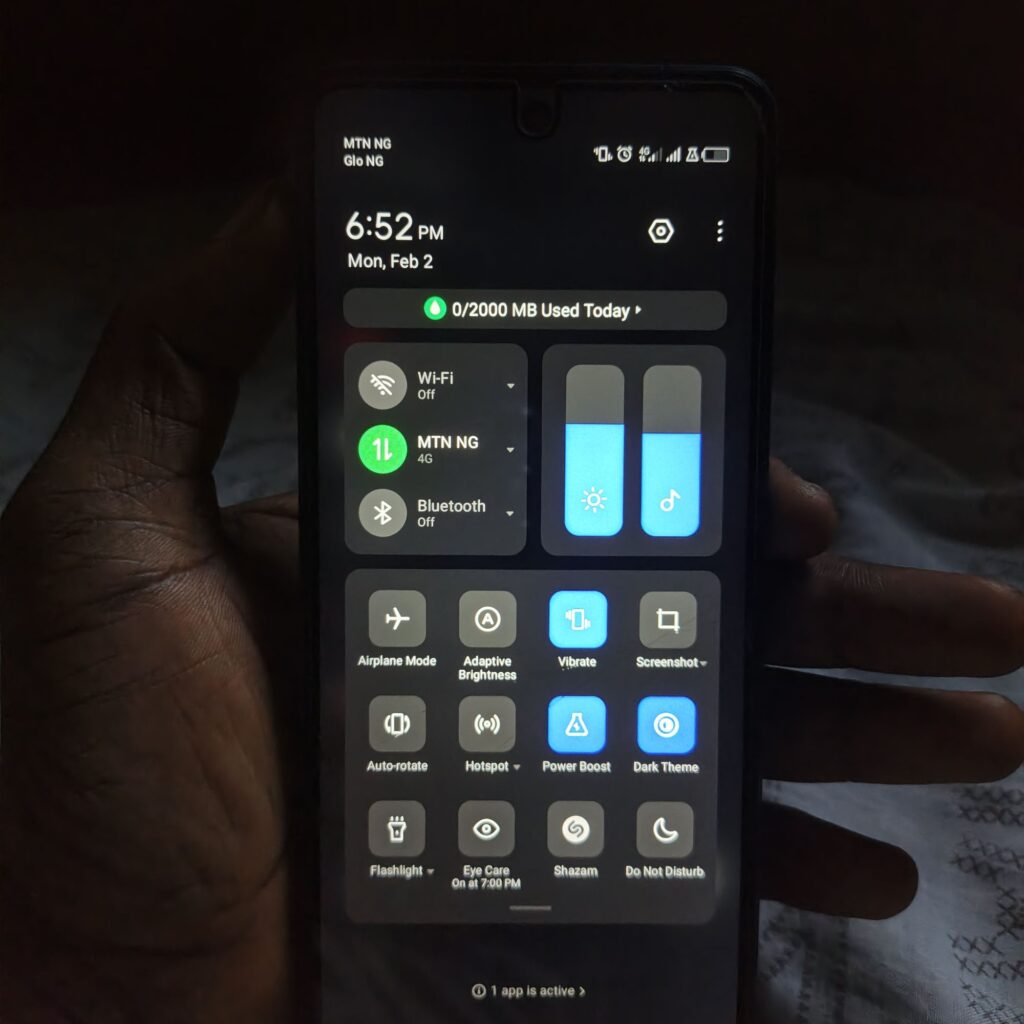
The first day felt easy. I woke up, turned on my mobile data, checked WhatsApp, scrolled through X, replied emails, and watched a few short videos. Nothing unusual. Because I was careful, I thought this would be manageable.
Then I checked my data balance in the evening. The drop was more than I expected. Nothing dramatic yet, but it was the first sign that background usage is real. I hadn’t streamed movies or downloaded anything heavy, but data was already disappearing quietly.
Background Usage Is the Real Enemy
By the second and third day, a pattern became obvious. Even when I reduced browsing, data kept dropping steadily. WhatsApp backups, Google syncing, app refreshes, and auto updates were happening in the background. The phone was using data even when I wasn’t actively touching it.
Don't MIss This Article


This is when I realised that using mobile data in Nigeria isn’t just about what you do consciously. It’s about what your phone does without asking you.
Streaming Is Not Your Friend
By day four, I tried watching YouTube more intentionally. I dropped video quality to the lowest setting and avoided autoplay. Even then, short viewing sessions added up quickly. Streaming a few clips daily was enough to accelerate data loss.
Music streaming was slightly better, but it still added pressure. By now, I was constantly checking my data balance, something many Nigerians already do daily.
Don't MIss This Article

Network Fluctuations Waste Data

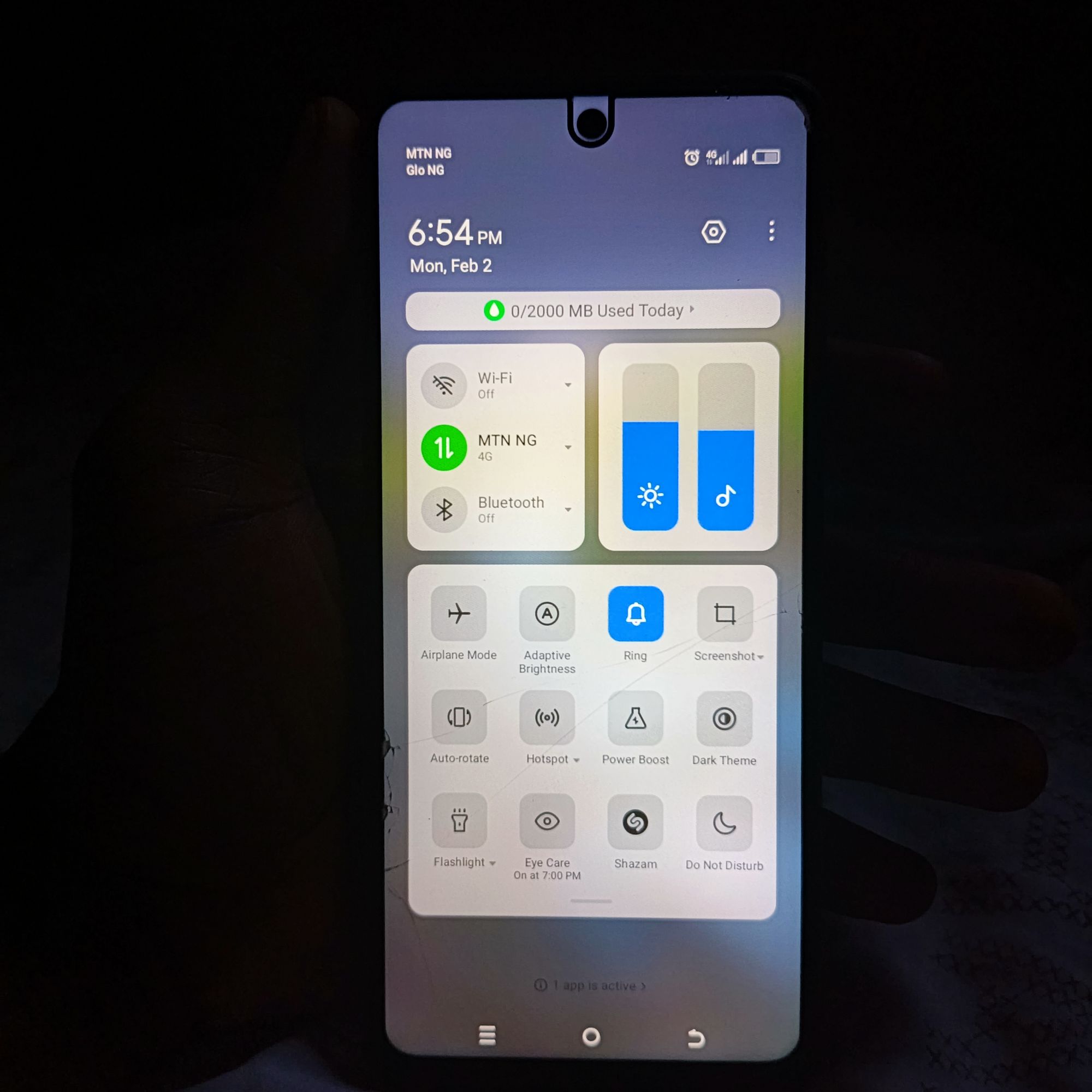
One thing people rarely talk about is how unstable networks waste data. Pages reload when signals drop. Videos buffer repeatedly. Apps retry failed uploads. All of that consumes data without delivering value.
On days when the network was poor, data seemed to finish faster. Not because I was using my phone more, but because things kept retrying in the background.
Mental Stress Is Real
By day five, the experiment stopped being technical and became psychological. I started avoiding apps, delaying tasks, and thinking twice before clicking links. I found myself saving things “for later” when I’d hopefully have Wi-Fi.
That constant calculation is exhausting. It’s not just about money, it’s about mental load.
Productivity Takes a Hit
Work-wise, relying only on mobile data slowed me down. Uploading files, researching topics, and switching between tools felt heavier. Even when data was available, the fear of it finishing affected how freely I worked.
This is something people underestimate. Limited data changes behaviour. It makes you cautious, slower, and sometimes less creative.
Don't MIss This Article

What I Learned After 7 Days
Using only mobile data in Nigeria is possible, but it comes with hidden costs. Not just financial cost, but comfort and peace of mind. The phone becomes something you manage carefully instead of something you use freely.
The experience also made one thing clear. Most Nigerians who complain about data finishing fast are not careless. Phones today are simply designed around constant connectivity, background syncing, and heavy content.
If you must rely on mobile data, strict controls are not optional. Background restrictions, manual updates, reduced streaming quality, and disciplined usage become survival tools, not preferences.
By the end of the week, the first thing I did was reconnect to Wi-Fi. Not because mobile data failed completely, but because living without Wi-Fi in Nigeria feels like swimming against a strong current.